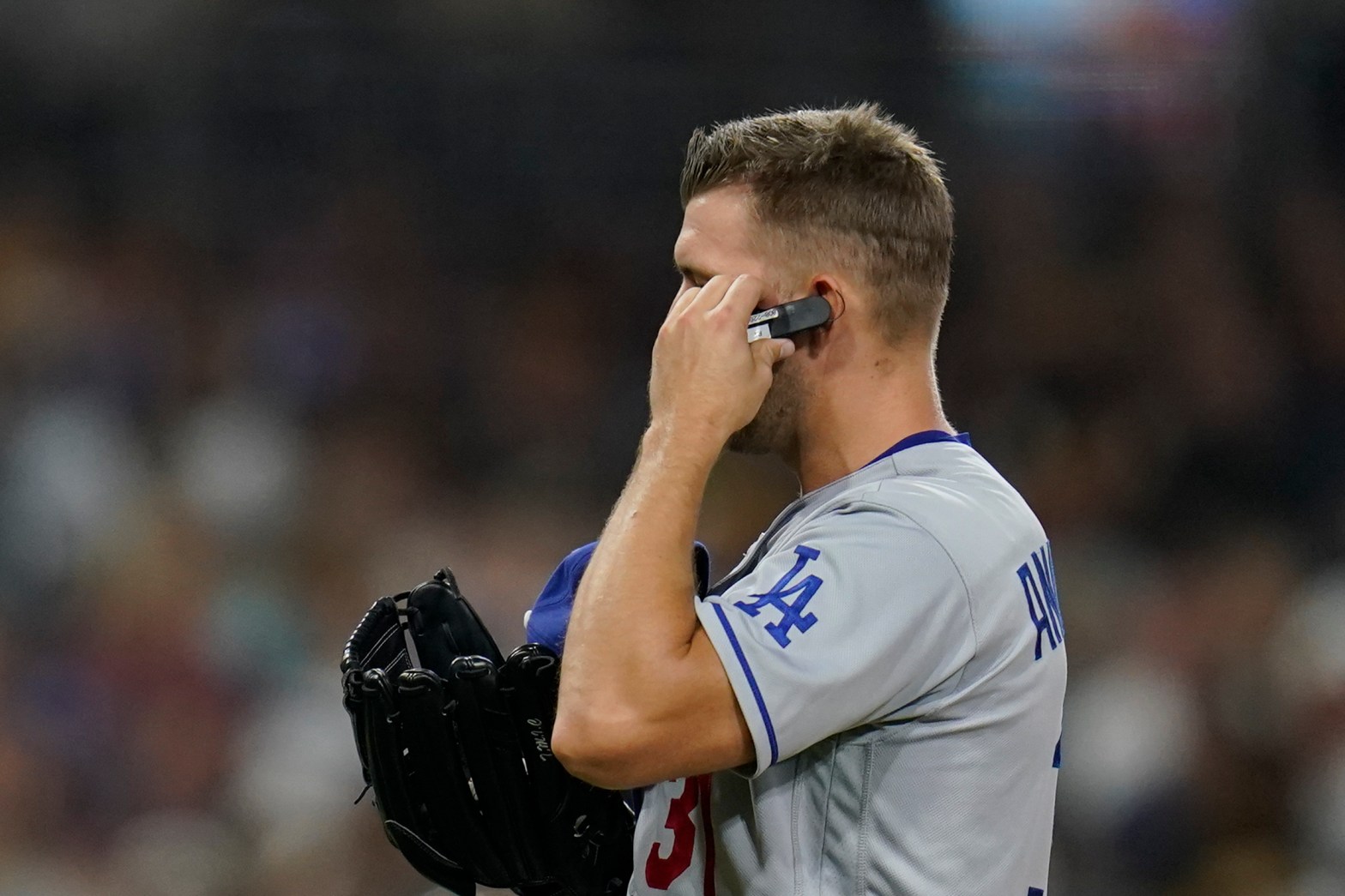
Communication between the dugout, catcher, and pitcher used to be an art form. Pitching coach signs wipes, taps, and touches that could easily be mistaken for parking a plane. The catcher’s fingers twitch freakishly between the legs; savvy catchers paint fingernail polish on their nails to ensure the pitcher’s view of the sign. A dissenting nod from the hurler indicates disagreement regarding the desired pitch, and the process starts over. Meanwhile, a runner on the base paths is watching studiously with the hopes of picking up the sign to relay to the batter that the slider is coming his way.
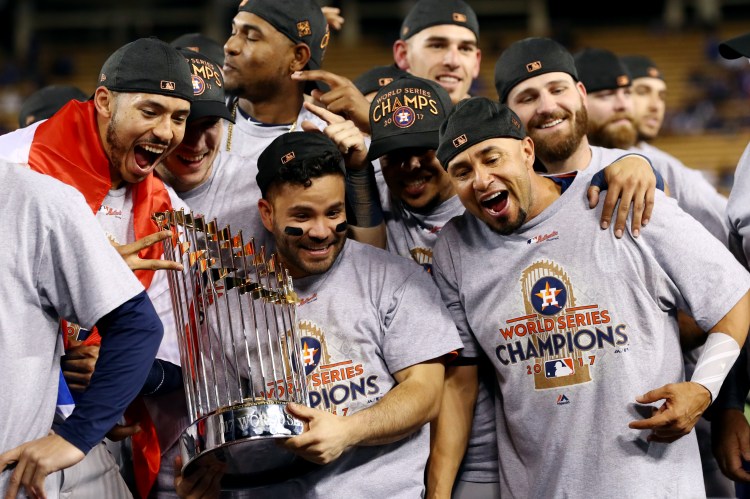
Sign signaling was a part of the game for about 150 years. Pitchers, catchers, and managers had to regularly switch their signs to prevent the batting team from stealing the code for a more predictable effort at the plate. Preventing an opponent from stealing signs was an intellectual effort that without great care, opposing offense’s averages would leap and catchers would occasionally jump out of their gear to stop a darting pitch that was misinterpreted by the tosser. The Houston Astros took sign stealing to the next level in 2017.

The 2017 Astros were a team built for success and poised for a World Series run. From Justin Verlander to Dallas Keuchel, and Jose Altuve to George Springer, this team had more than enough on its roster to win the World Series fair and square. Instead of staying within the lines of the MLB rule book, these Astros took sign stealing to the next level. With the sneaky use of a camera in center field zooming in on the catcher’s signs, and a much less elaborate banging of a trash can, the Astros artificially stole signs to enable better at bats from their stars. With their camera tricks and trash can thumps, the Astros went on to beat the Los Angeles Dodgers 4 games to 3 for the World Series crown.


Thanks to the 2017 Astros, baseball has been officially dumbed down. What used to be an intellectual challenge for catchers and pitchers to encode a pitch to toss is now diluted to buttons on a wristband. Proponents of the PitchCom argue that it speeds the game up and limits sign stealing. However, what the MLB did was lower the bar on brain power for bench/catcher/pitcher to execute a pitch. Will a pitcher ever technically need to know why or what situation to throw which pitch? The 2023 pitch clock did far more for speeding up the game. What PitchCom effectively did was allow lower IQ pitchers to still make the grade in the majors.
Helmet comms have long since been the norm in the NFL. Quarterbacks have had this communication device with plays and messages coming in from the coach since 1994. The defense was awarded a helmet comm in 2008. Helmet comm on defense is a much less useful tool. With the defense reacting to an offenses setup and motion, there’s little time for the Mike (the Middle Linebacker most commonly wearing the defense’s comm) to convey incoming messages to the rest of the team.

The NFL applauds Quarterbacks for their combination of intellect, skill, and physical gifts. Even with the helmet comm in use, QBs still have plenty to process between plays. However, the amount of sophistication required to incorporate a play prior to 1994 was much more involved without the comm. A QB’s required memorization and understanding of the playbook are not nearly as daunting now with the helmet comm than that of QBs in the prior era. Joe Montana, Roger Staubach, and even Johnny Unitas in their day had to process much more than QBs with the helmet radio receiver.
On occasion, a radio connection to the QB comm fails. Screams of foul play from fans and the QB’s team alike become public before the game is even over. We actually learn more about that particular player and coaching staff during a technical failure like this one. How they cope with the momentary lack of technology immediately exposes their abilities and personality both good and bad. Usually the reaction sounds like younger years of pickup ball, “No fair, I’ll just take my ball and go home!”.

Sure enough, the dumbing down of NFL football has trickled to the NCAA. In the upcoming season, comms will be introduced at the college level. While the literal application of the term student-athlete is already long gone, helmet comms (much like PitchCom in the MLB) will further erode the need to recruit a bright Quarterback. The NCAAs top teams already have a track record for recruiting players with limited intelligence and questionable character. As I’ve cited in prior articles, which of your favorite players would have been admitted to your favorite school if not for the massaging, errr… removing of academic standards for that, errr… student-athlete to play at your school? You get the picture…
Applying technology to modernize sports for athletes and viewers can be a good thing. Some great recent technological advances to name a few: better helmet design lending to greater safety of football players, camera review of key plays in most sports (I am a proponent of getting the call right, not a proponent of reviewing all plays), and net and goal cams in basketball, hockey, and volleyball. Applying technology in a manner that makes any of these games easier for the athletes is certainly not. Coaches are now picking the most athletic prospects, placing electronics on them, then doing the thinking for them.

I enjoy watching how great athletes handle mentally taxing situations. Look no further than tennis or golf, where each individual is left to their own devices before and after every good and bad shot. Mental gymnastics are lessened on Pitchers and Quarterbacks with PitchCom and helmet comm. These players are slowly being reduced to science fiction movie characters. We looked at characters like the Terminator and RoboCop and chuckled, “Unbelievable!”. In 2024 they aren’t just believable, they have infiltrated athletics.
 Paul MacDonald - Sports Broadcaster