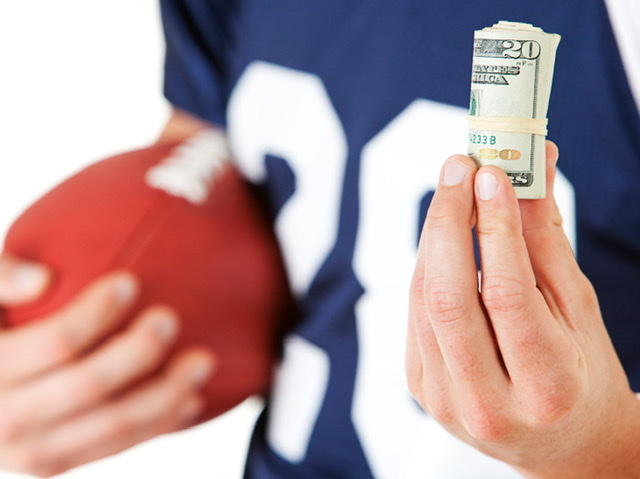
Top notch NCAA athletes like Zion Williamson bring thousands of dollars of attention to their respective schools. Without a doubt, Zion is worth plenty more than the scholarship plus $5,000 allotted to him (how about $5,000,000 or so more?). For every star NCAA athlete who may be up in arms about not being fairly compensated for their value, about 98% are being compensated fairly enough, or getting overpaid for their financial contribution to their teams. Bench player #12 on the perennial champion hoops team still doesn’t even bring his tuition in when calculating his financial value to the team. In Part Two of this series I threw out some extreme options for NIL compensation. Keep your hands and feet inside this ride; here’s a plan that blends Part Two into a solution all parties could sign up for (minus the pros).
The notion of name, image, and likeness compensation for college athletes cannot work without repairing the professional sports age limitations. College athletes need not spend time picketing to unionize their group, or increase NIL, etc. Prospective college athletes need to band together (I’m not sure a formal union really would work here) and bring their ageism lawsuits against the NFL and NBA. Just as illegal as hiring a less qualified 30 year old instead of a seasoned 55 year old due to their age, the NFL (3 years out of high school), and NBA (19 during their draft year) must drop their ageist regulations else their pants get sued off. This change would allow an adult (18 years of age) to go pro if they so choose.
To implement NIL in college we also need to take an honest approach toward which sports bring in money for the school. Each institution will calculate based upon the athletic year’s profits, the percentage of income or loss each team contributed to the bottom line. A greater percentage of the profit should be attributed to the NIL for the team that contributes the greatest amount. The teams that break even (or take a loss) each would get a small flat percentage of the profit from the NIL pie. Teams will have different percentages based upon their impact on ‘the bottom line’ at their school. Women’s Field Hockey would generally ‘earn’ the lowest flat percentage as a team which generally contributes a loss to the bottom line. Football and basketball teams will generally earn a higher percentage as teams. Volleyball is a unique example of a sport that occasionally profits, depending on the institution. The University of Nebraska and University of Hawaii volleyball programs net a profit (attendance and television revenue are key money makers for the volleyball programs at these schools). Volleyball athletes at UN & UH then would make more as a percentage than volleyball athletes at the University of Arkansas.
Distributing NIL to athletes on each individual team then becomes a big math problem. If an athlete lands the #12 roster position on a Duke hoops team that ends up winning the national title, should he make the same amount of money on his NIL for Duke hoops that the #1 roster position makes? (Zion Williamson for example.) I don’t think so. Instead the percentage of NIL contribution to each athlete should be predetermined by a percentage basis. This would allow for some serious recruiting! Coach Calipari says, “Hey Joe Athlete, Come to my school and get 20% of the NIL allotment for the team for the year!”. Coach Izzo responds, “But Joe Athlete, come to my school and get 18% of the allotment, since our team has the Big Ten Network – you’ll make more than you can at Kentucky!”. The National Letter of Intent program could very easily include the percentage slice of NIL commitment from the university, along with the financial aid commitments already included on the document.
So far, the onus of this plan has fallen squarely on the professional leagues, and the schools themselves. I think the athletes should be responsible for actually being students. As I cited in a previous post, many athletes would not have been accepted to their respective schools if not for their school massaging (loosening) the acceptance criteria for them to attend. Presently, some schools have greater limits (Stanford/Notre Dame) than other schools with lesser limits on how many athletes may have their acceptance criteria loosened for purposes of playing on the team. Those athletes attending those schools who otherwise would not be accepted often get easier schedules and questionable flexibility when it comes to passing classes.
Instead, limit the number of athletes with massaged grades to a set number for each team (for instance Division I basketball – allow only four athletes to attend with massaged acceptance standards). And, for those athletes, provide them with the ‘lite’ degree and degree program. Let’s stop pretending that the 18 ACT athlete is cutting it with Stanford level classes. Instead, offer the Stanford ‘lite’ degree and force those massaged athletes to actually attend class and work through a rigor and major that suits them. Now when a kid graduates from Stanford with a ‘lite’ degree, they have a degree they earned. While life isn’t fair, I don’t think it is fair or appropriate that the word Stanford reads the same on the diplomas of both a 33 ACT Physics grad and an 18 ACT ‘General Studies’ grad star athlete. Speaking of ‘General Studies’, eliminate this as an acceptable major. We do our borderline passing student athletes a disservice by not requiring them to have a major that provides a base of knowledge that would employ them after graduation.
Restrictions regarding the hiring of an agent will need to be relaxed. Right now, when an athlete hires an agent, they surrender their college eligibility. However, with my plan, if a 15 year old hoops star wants to hire an agent to aid in the decisions associated with ‘college or pro’ then they should be allowed to do so without jeopardizing their college eligibility. Weighing the proposed NIL payment versus the risks of entering the draft, along with endorsements from either pursuit means big bucks; the agent will serve as a professional consultant here for a star athlete’s future. Further, an athlete should be able to ‘test the waters’ of the draft one time in their college career. The athlete should be allowed to enter the draft to determine his professional earnings potential prior to committing to an additional collegiate year. I believe that this should only be done once – the college coach should be allowed to plan their roster and recruiting without so many athletes on the team in the balance every year.
The NCAA and the pros will have to decide how much corruption they can police/battle/tolerate. For now, the NCAA continues to ‘throw a bone’ to its big 5 wealthiest, allowing for a cost of attendance allowance of up to $5,000 per athlete per year. This standard is in effect until at least January of 2021. If the NCAA and the pros wait too much longer to solve the NIL problem, college athletes may force their hands with union battles and strikes that could permanently tarnish college athletics. The rust is already on the bumper of the NCAA’s NIL clunker.
 Paul MacDonald - Sports Broadcaster